Number and Place Value
In Year 4 children begin to explore numbers over 1,000. Base 10 and place value counters are used extensively to help children understand place value.
There have been considerable changes in the latest Year 4 Programme of Study; perhaps the main point being that children will be expected to work with larger numbers and more complex decimals and fractions.
To summarise: pupils should be taught to
• count in multiples of 6, 7, 9, 25 and 1000
• find 1000 more or less than a given number
• count backwards through zero to include negative numbers
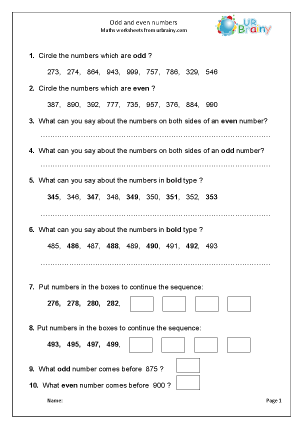
• recognise the place value of each digit in a four-digit number (thousands, hundreds, tens, and ones)
• order and compare numbers beyond 1000
• identify, represent and estimate numbers using different representations
• round any number to the nearest 10, 100 or 1000
• solve number and practical problems that involve all of the above and with increasingly large positive numbers
• read Roman numerals to 100 (I to C) and know that over time, the numeral system changed to include the concept of zero and place value.
During Year 4 children are expected to become fluent in the order and place value of numbers beyond 1000. They will also be expected to extend their knowledge of the number system to include decimals and fractions. We have a superb collection of resources to meet these challenges.
Working with numbers up to 1,000


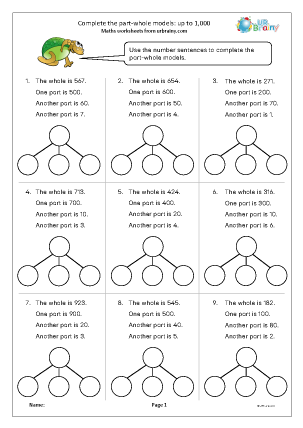
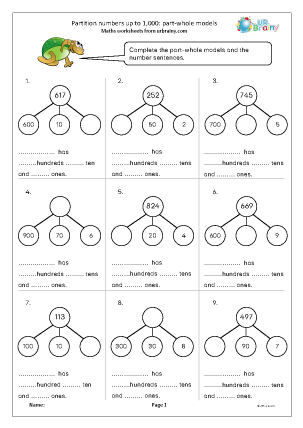
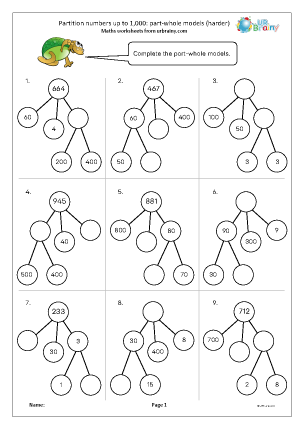
Working with numbers up to 10,000


Counting in thousands


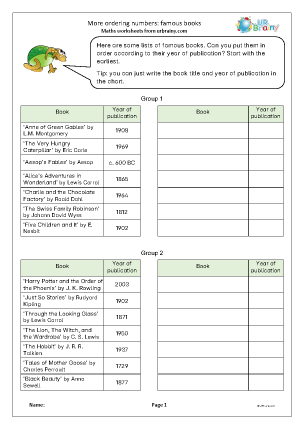
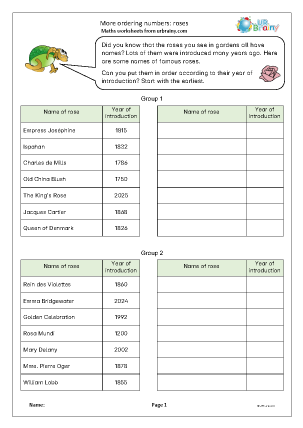
Comparing and ordering numbers


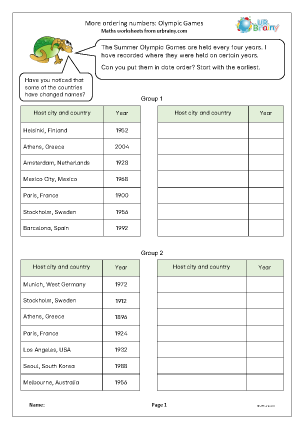


Rounding and estimating


Counting in multiples of 6, 7, 8 and 9


More counting on and back


Negative numbers


Understanding decimals


Further activities


Subscribe to our newsletter
The latest news, articles, and resources, sent to your inbox weekly.


© Copyright 2011 - 2026 Route One Network Ltd. - URBrainy.com 14.0.37